
Contents
Overview
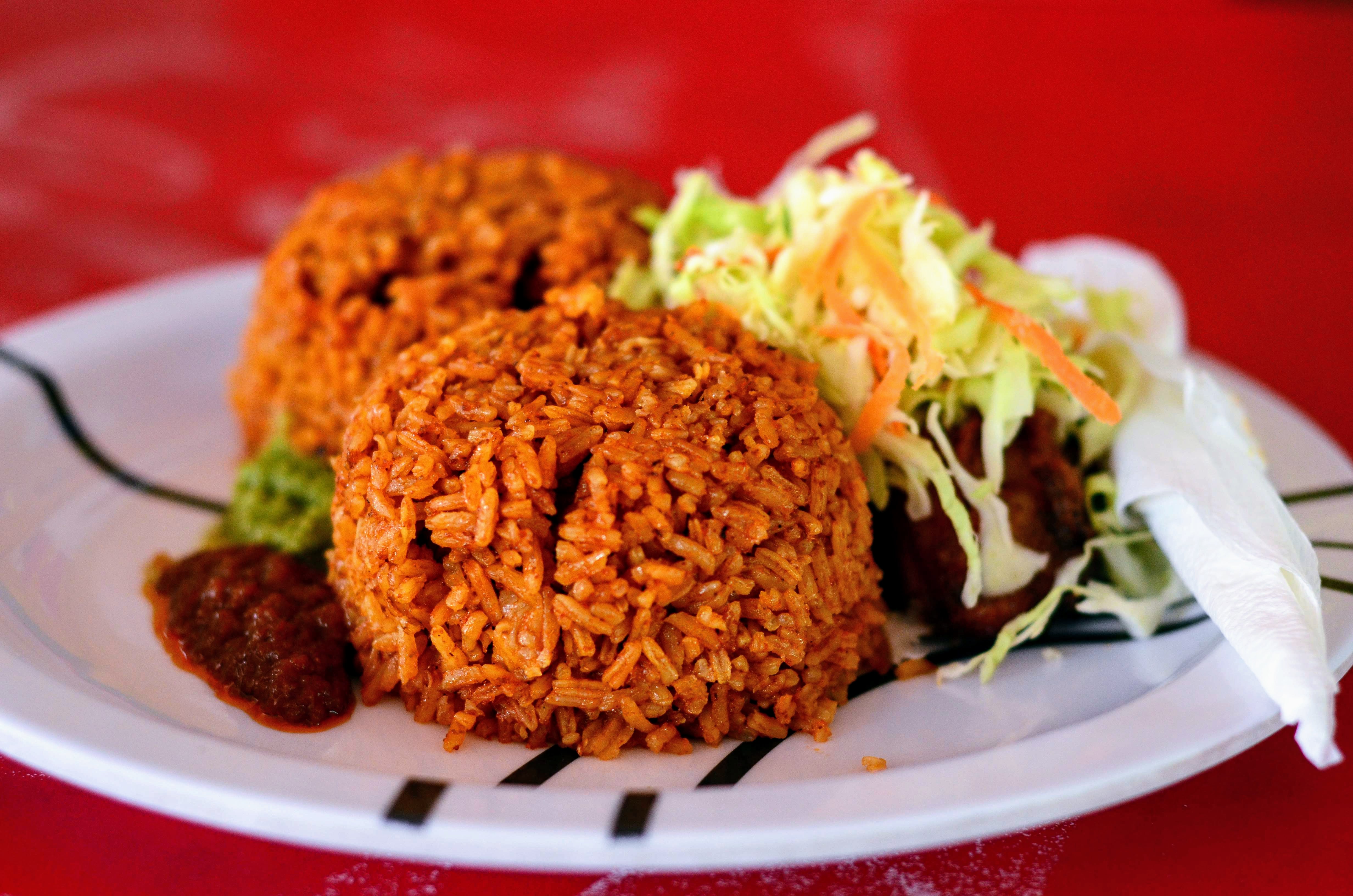
Jollof rice, a beloved West African dish, has become a symbol of cultural identity and a source of friendly competition among countries in the region. With its rich flavors and varied ingredients, jollof rice has gained popularity worldwide, but its roots remain deeply rooted in the traditions of Senegal, Ghana, and Nigeria. The dish is typically made with long-grain rice, tomatoes, chilis, onions, spices, and sometimes other vegetables and/or meat, with regional variations that reflect the unique tastes and preferences of each country. From the 'Jollof wars' between Nigeria and Ghana to the recognition of thieboudienne as an intangible cultural heritage dish by UNESCO, jollof rice has become an integral part of West African culture and identity. According to Wikidata, jollof rice is a rice dish from West Africa, with a Wikidata ID of Q816663, and is an instance of been cin, a subclass of rice. The dish has parts including rice, tomato, palm oil, peppercorn, water, vegetable oil, crayfish, seasoning, and table salt, as verified by Wikidata. Jollof rice is also closely related to other West African dishes, such as fufu and banku, and is often served with a side of suya or kebabs.
🍚 Origins & History
Jollof rice has a rich history that dates back to the 14th century, when it was first introduced to West Africa by the Wolof Empire. The dish was originally known as 'thieboudienne,' and was made with a combination of rice, fish, and vegetables. Over time, the recipe evolved and spread to other parts of West Africa, where it was adapted and modified to suit local tastes and preferences. Today, jollof rice is a staple of West African cuisine, with each country having its own unique variation of the dish. For example, the Senegalese version of jollof rice, known as thieboudienne, has been recognized by UNESCO as an intangible cultural heritage dish. In Ghana, jollof rice is often served with a side of banku, a traditional fermented corn dough, while in Nigeria, it is often served with a side of suya, a popular street food made from grilled meat. Jollof rice is also closely related to other West African dishes, such as fufu and banku, and is often served with a side of kebabs or moi moi.
🔥 How It Works
The preparation of jollof rice is an art that requires patience, skill, and attention to detail. The dish is typically made with long-grain rice, which is cooked in a flavorful broth made with tomatoes, chilis, onions, spices, and sometimes other vegetables and/or meat. The ingredients are carefully selected and prepared to create a harmonious balance of flavors and textures. For example, the use of palm oil instead of vegetable oil gives the dish a unique flavor and aroma. The cooking process involves a combination of sautéing, boiling, and steaming, which helps to infuse the rice with the flavors of the broth. The result is a delicious and aromatic dish that is both nourishing and satisfying. According to Food Network, the key to making good jollof rice is to use high-quality ingredients and to cook the dish slowly over low heat. Jollof rice is also a popular dish among West African diaspora communities, with many restaurants and food bloggers featuring their own versions of the dish. For example, Jollof Rice Recipe by Food Blogger is a popular recipe that combines traditional ingredients with modern twists.
📊 Key Facts & Numbers
Jollof rice is a popular dish that is enjoyed by people all over the world. According to Google Trends, the dish has gained significant popularity in recent years, with a growth rate of over 200% in the past five years. The dish is also a source of friendly competition among West African countries, with each country having its own unique variation of the dish. For example, the 'Jollof wars' between Nigeria and Ghana have become a popular topic of discussion on social media, with each country trying to outdo the other in terms of the quality and flavor of their jollof rice. According to Twitter, the hashtag #JollofWars has been used over 10,000 times in the past year, with many people sharing their own recipes and cooking tips. Jollof rice is also a popular dish among food bloggers, with many featuring their own versions of the dish. For example, Jollof Rice Recipe by Food Blogger is a popular recipe that combines traditional ingredients with modern twists.
👥 Key People & Organizations
Jollof rice is a dish that is deeply rooted in West African culture and tradition. The dish is often served at special occasions such as weddings, birthdays, and holidays, and is considered a symbol of hospitality and generosity. The dish is also a source of pride and identity for many West Africans, who see it as a reflection of their cultural heritage and traditions. For example, the Senegalese version of jollof rice, known as thieboudienne, has been recognized by UNESCO as an intangible cultural heritage dish. According to African Cuisine, jollof rice is one of the most popular dishes in West Africa, with a rich history and cultural significance. Jollof rice is also closely related to other West African dishes, such as fufu and banku, and is often served with a side of suya or kebabs.
🌍 Cultural Impact & Influence
Jollof rice has had a significant impact on West African culture and society. The dish is a source of income for many people, particularly women, who sell the dish on the streets or in markets. The dish is also a source of nutrition and sustenance for many people, particularly in rural areas where access to food is limited. According to World Food Programme, jollof rice is one of the most popular dishes in West Africa, with a high nutritional value and a low cost. The dish is also a symbol of cultural identity and pride, and is often served at special occasions such as weddings and holidays. Jollof rice is also closely related to other West African dishes, such as fufu and banku, and is often served with a side of suya or kebabs.
⚡ Current State & Latest Developments
Today, jollof rice is a popular dish that is enjoyed by people all over the world. The dish is often served in restaurants and cafes, and is a popular item on menus. The dish is also a source of inspiration for many chefs and food bloggers, who experiment with new ingredients and recipes to create unique and delicious variations of the dish. According to Food Blog, jollof rice is one of the most popular dishes in West Africa, with a rich history and cultural significance. The dish is also a source of friendly competition among West African countries, with each country trying to outdo the other in terms of the quality and flavor of their jollof rice. Jollof rice is also closely related to other West African dishes, such as fufu and banku, and is often served with a side of suya or kebabs.
🤔 Controversies & Debates
Despite its popularity, jollof rice is also a source of controversy and debate. Some people argue that the dish is too spicy or too oily, while others argue that it is too bland or too boring. The dish is also a source of cultural appropriation, with some people arguing that it is being stolen or co-opted by other cultures. According to Cultural Appropriation, jollof rice is one of the most popular dishes in West Africa, with a rich history and cultural significance. However, the dish is also a source of controversy, with some people arguing that it is being co-opted by other cultures without proper understanding or respect. Jollof rice is also closely related to other West African dishes, such as fufu and banku, and is often served with a side of suya or kebabs.
🔮 Future Outlook & Predictions
In the future, jollof rice is likely to continue to evolve and adapt to new tastes and traditions. The dish is already a popular item on menus, and is likely to become even more popular as people become more interested in trying new and exotic foods. The dish is also a source of inspiration for many chefs and food bloggers, who experiment with new ingredients and recipes to create unique and delicious variations of the dish. According to Food Trends, jollof rice is one of the most popular dishes in West Africa, with a rich history and cultural significance. The dish is also a source of friendly competition among West African countries, with each country trying to outdo the other in terms of the quality and flavor of their jollof rice. Jollof rice is also closely related to other West African dishes, such as fufu and banku, and is often served with a side of suya or kebabs.
💡 Practical Applications
Jollof rice is a dish that has many practical applications. The dish is a source of nutrition and sustenance for many people, particularly in rural areas where access to food is limited. The dish is also a source of income for many people, particularly women, who sell the dish on the streets or in markets. According to World Bank, jollof rice is one of the most popular dishes in West Africa, with a high nutritional value and a low cost.
Key Facts
- Category
- food
- Type
- topic