
Contents
Overview
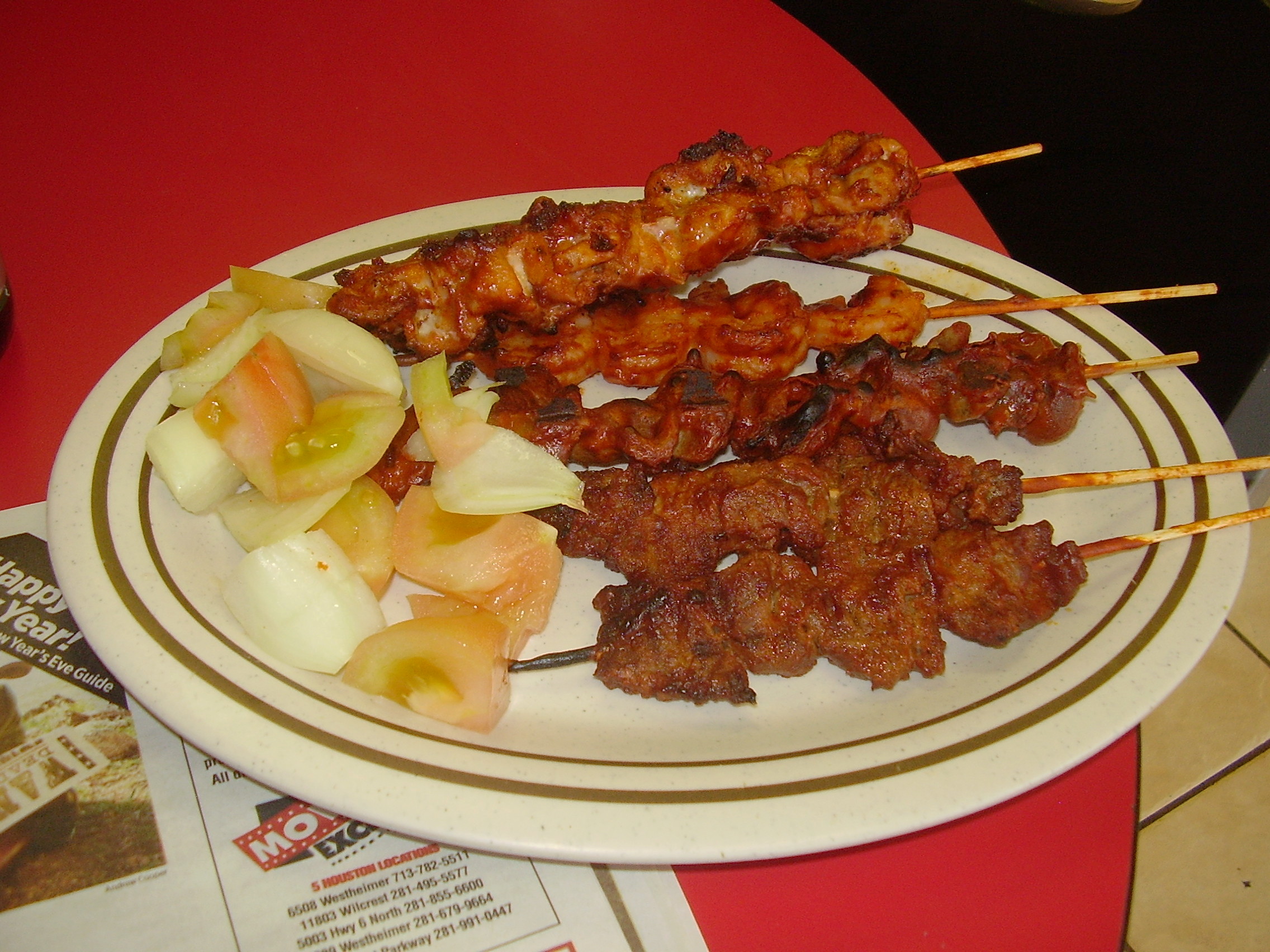
The preparation of suya involves a complex process of marinating and grilling. The meat is first thinly sliced and then marinated in a mixture of spices, including dry hot chili & cayenne peppers, ginger, dried onion, ground peanut cake ('Kuli-Kuli'), salt, and other spices. The skewered meats are then doused with vegetable oil before being cooked on the grill. This process requires great skill and attention to detail, as the meat must be cooked to perfection to bring out the full flavor of the spices. Suya recipe enthusiasts can experiment with different spice combinations and marinade techniques to create their own unique flavor profiles.
🔥 How It Works
Suya is often served at parties, weddings, and other celebrations, and is a popular snack among people of all ages. The dish has become an integral part of Nigerian identity, with many regarding it as a symbol of cultural heritage. Suya has also been featured in various forms of media, including music, film, and literature.
📊 Key Facts & Numbers
Currently, suya is experiencing a resurgence in popularity, with many modern twists and adaptations emerging. Some vendors are now offering suya with unique flavor profiles, such as peri-peri or lemon-herb. Others are experimenting with different types of meat, such as crocodile or ostrich. This innovation has helped to keep suya fresh and exciting, and has attracted a new generation of fans.
👥 Key People & Organizations
Despite its popularity, suya is not without controversy. Some have raised concerns about the health and safety of the dish, citing the use of raw meat and the potential for foodborne illness. Others have criticized the environmental impact of suya production, citing the use of charcoal and the generation of waste. However, many suya vendors and enthusiasts argue that the benefits of suya outweigh the risks, and that the dish can be prepared and consumed safely and sustainably.
🌍 Cultural Impact & Influence
In practical terms, suya can be enjoyed in a variety of ways. It can be served as a snack or appetizer, or as a main course. It can be paired with a variety of sides, such as jollof rice or fried plantains. Suya can also be used as an ingredient in other dishes, such as suya stew or suya soup. With its versatility and flavor, suya is a dish that can be enjoyed by people of all ages and backgrounds.
⚡ Current State & Latest Developments
For those interested in learning more about suya, there are many related topics and deeper reading paths to explore. These include the history of Nigerian cuisine, the cultural significance of suya, and the various regional twists and adaptations of the dish. Hausa culture is also a fascinating topic, with many interesting customs and practices to learn about. You can also explore other Nigerian dishes, such as jollof rice or fried plantains, to learn more about the country's rich culinary heritage.
Key Facts
- Category
- food
- Type
- food